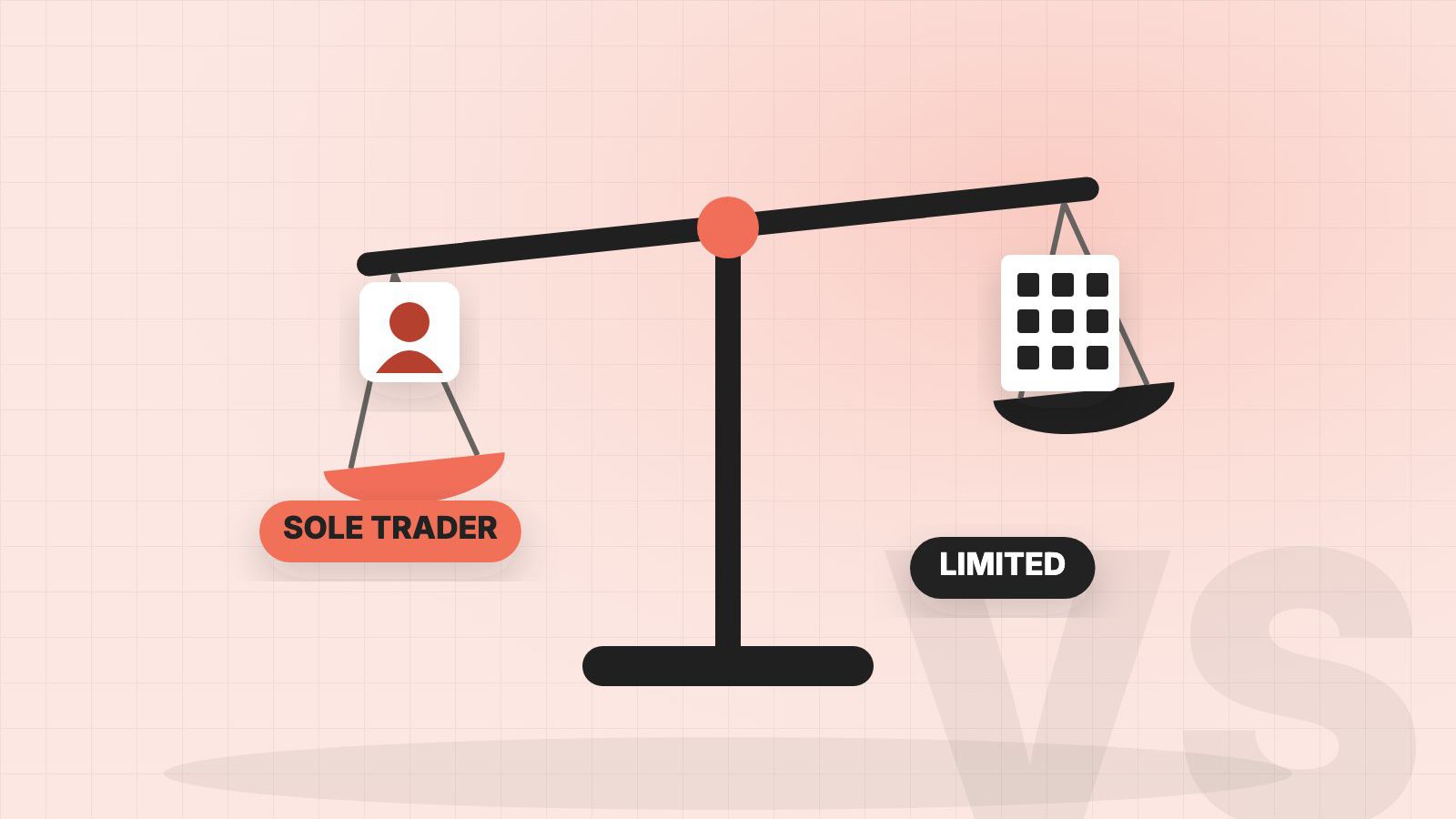
People who move to Ireland and start their own business often ask the same question: should I start as a Sole Trader or set up a Limited Company straight away? There is no single answer. It depends on risk, profit, your plans and how much administration you can take on.
Liability and risk
As a Sole Trader, you and the business are not separate. You are personally liable for its debts and obligations.
A Limited Company is a separate legal entity. Shareholders’ liability is usually limited, but directors have legal duties and cannot simply forget about the company’s filings.
How profit is taxed
A Sole Trader’s profit usually goes through personal Income Tax, USC and PRSI. A company’s profit is subject to Corporation Tax, and taking money out for yourself (salary, dividends and so on) has its own rules.
Figures and rates change, so we compare the options using your own projections and the current rates, not generic examples from the internet.
Administrative obligations
Sole Trader: bookkeeping, Form 11 and, where needed, VAT, payroll or RCT.
Limited Company: day-to-day bookkeeping, financial statements, CRO filings, CT1 and often payroll for the director. It means more paperwork, but also more transparency.
When a company is worth considering
Common signs: higher liability risk, business partners, wanting to keep personal assets separate, growing with employees, or a tax position where it makes sense to model the figures through a company.
Sometimes it is better to start as a Sole Trader and switch later, but switching also involves procedures, so it is worth planning ahead.
What to discuss with your accountant
Talk through the risks of your work, your expected income and expenses, whether you will need VAT, payroll or RCT, and how you want to pay yourself.
We explain the differences in plain English and help you register the structure you choose.
If you need help with your specific situation, see our Limited Company Formation in Ireland service or get in touch.
This article provides general information, not individual tax advice. Rules change, so talk to us about your situation or check the official Revenue / CRO information.