People often say “I need an accountant”, but they mean very different things: day-to-day records, VAT returns, the annual tax return or tax advice. Bookkeeping and accounting are related, but they are not the same thing – and once you understand the difference, it is easier to choose the right service and understand what you are paying for.
Why these words get mixed up
In everyday speech, and in many people’s home countries, both jobs are often just called “accounting”. In Ireland, bookkeeping (recording transactions) and accounting (accounts, reports, tax returns) are often treated separately: sometimes they are done by different people, sometimes by the same firm but as different services. So it is worth agreeing clearly who does what.
For example, some clients expect the price of an annual return to include sorting out the whole year’s transactions, while others assume a bookkeeping service automatically includes filing VAT or the CT1. Mismatched expectations like these are where misunderstandings and missed deadlines come from.
Bookkeeping: the day-to-day foundation
Bookkeeping is the ongoing recording of all business transactions. It answers a simple question: who paid or received how much, when, and for what.
- entering bank transactions and reconciling them with the statement;
- recording invoices issued and received;
- assigning expenses to categories (materials, fuel, rent, insurance and so on);
- tracking money owed by customers and unpaid supplier invoices;
- an archive of receipts and documents.
Without this work there are no reliable figures – and without reliable figures there are no reliable tax returns.
Bookkeeping can be done in accounting software, a spreadsheet or even on paper – what matters is not the tool but consistency. Every transaction should have a document and be put in the right category, and the balance in your books should match the actual bank balance.
Accounting and reporting
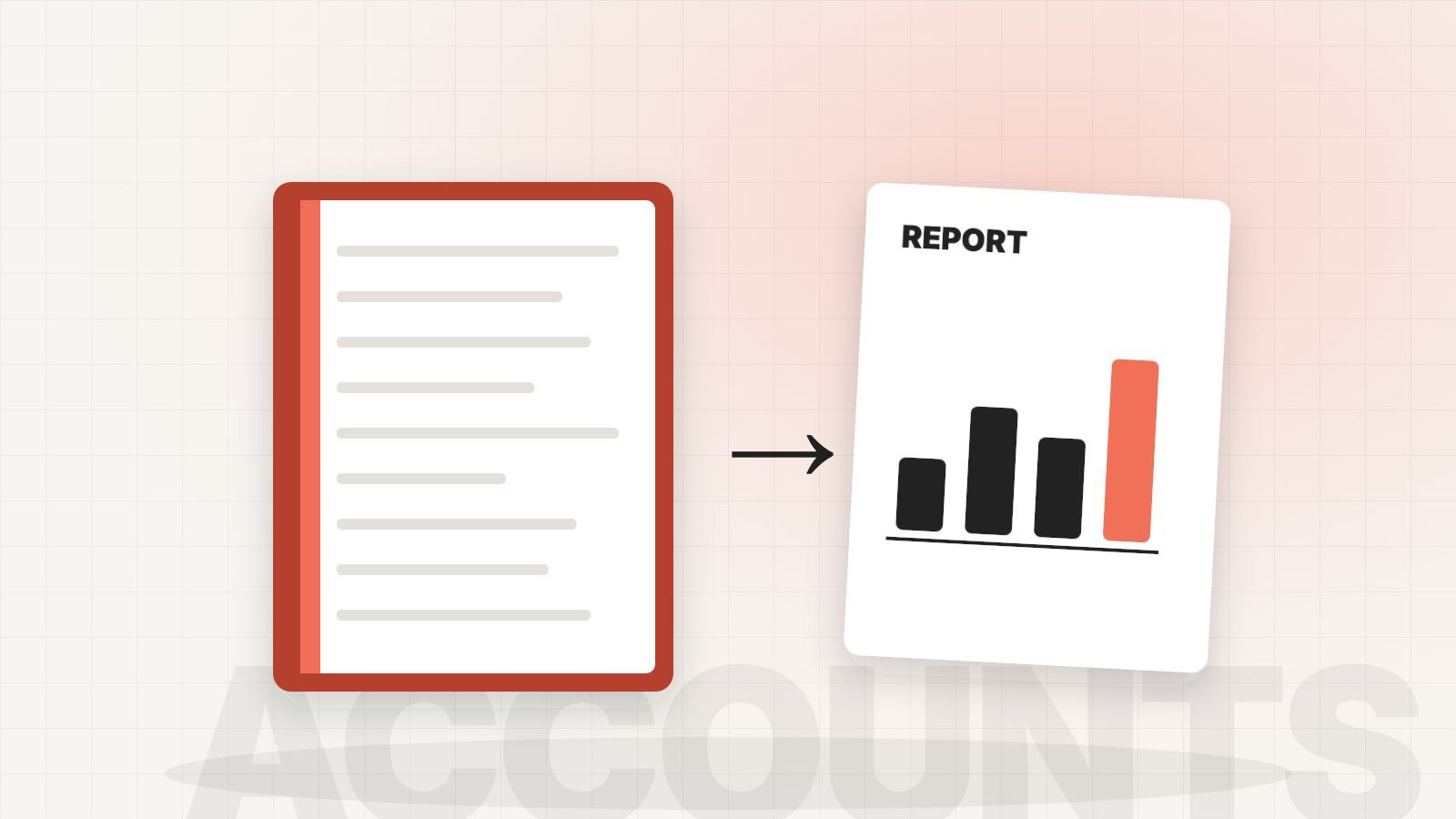
Accounting builds on the bookkeeping data and turns it into accounts and tax returns. This is where you need to know the tax rules and deadlines.
Accounting work also involves decisions: whether an expense is deductible, how to treat a purchase of equipment, which period income belongs to, which reliefs apply. That is no longer technical data entry but applying tax rules. The accountant also keeps track of deadlines and tells you when you need to set money aside for tax.
Sole Trader
For a Sole Trader, the usual work includes:
- Form 11 – the annual income tax return;
- VAT3 returns, if you are VAT registered;
- RCT (Relevant Contracts Tax) in the construction sector;
- payroll, if you have employees.
Limited Company
For a Limited Company the list is longer, because the company is a separate legal entity and its accounts are filed with the CRO and are public:
- financial statements;
- CT1 – the Corporation Tax return to Revenue;
- the annual return to the CRO (Companies Registration Office) – Form B1 with the financial statements;
- VAT, payroll and RCT where relevant, plus the directors’ personal tax returns.
We cover company obligations in more detail in our article on Limited Company accounting.
How bookkeeping and accounting connect in practice
Example, figures for illustration only. In one month, €4,800 came into a Sole Trader’s business account. On the bank statement it is all just “money in”. During bookkeeping it turns out that €4,000 is customer payments for invoices, while €800 is the owner’s own money transferred from another account to cover a temporary shortfall.
If nobody had explained this transaction, income in the annual return could have been overstated by €800 – and the tax with it. The opposite happens too: an unrecorded supplier invoice means the expense is left out. The accountant may spot oddities when preparing the return, but rebuilding a whole year’s history from a bank statement takes far longer than keeping it in order every month. Dozens of small unclear items like this build up over a year, and each one can distort the final result.
That is why bookkeeping and accounting work best together: tidy monthly records let the accountant work with facts, not guesses, and notice in time when something changes – for example, when you are approaching the VAT registration threshold or profit has grown.
How to choose a service
- Your documents are in chaos – start by getting organised: sort out the past months and set up a regular bookkeeping routine.
- You keep tidy records yourself – you can buy just the returns and accounts service, and we will review your figures.
- You have VAT, employees or a company – it is usually most convenient when the same team handles everything from bookkeeping to returns.
- Your records are already in order – you can focus on planning: which business structure suits you and how to prepare for the coming years.
Before you start working together, it is worth agreeing in writing what the service includes: who keeps the records, who prepares and files the returns, and by when you send your documents. This avoids a situation where each side thinks the other is doing the work.
Common mistakes
- Assuming the accountant will “find everything themselves”, even though receipts and invoices were never passed on.
- Putting bookkeeping off until the filing deadline and doing it in a hurry.
- Treating an app or software as “the accounts”, even though the transactions in it have not been categorised.
- Not agreeing who is responsible for what, so some tasks never get done.
- Mixing personal and business expenses, so they have to be separated later.
- Not keeping documents long enough – the general rule at the moment is six years.
Quick answers
Can I do my own bookkeeping?
Yes, if you have few transactions and you are consistent. What matters is that the records are complete, backed by documents and regularly reconciled with the bank.
Does accounting software replace an accountant?
Software makes bookkeeping easier, but it does not decide how a transaction should be treated for tax. For that you still need a person who knows the Irish rules. And software won’t answer Revenue’s questions on your behalf.
How often should records be updated?
For most small businesses, once a month is enough. If you are VAT registered, the routine should at least match your VAT periods. A missed month means more work when preparing the VAT3.
In short: bookkeeping and accounting are two stages of one chain, and the second is only as reliable as the first is tidy.
If you need help with your own situation, see our accounting services in Ireland or get in touch.
This article provides general information, not individual tax advice. Rules change — talk to us about your situation or check the official Revenue information.