When you sell an apartment, a plot of land, shares or another valuable asset in Ireland, you may have to pay Capital Gains Tax. Exactly how much depends on what you paid, any improvements, the costs of the transaction and any reliefs available, so a “percentage off the top of your head” won’t do. In this article we explain how Capital Gains Tax in Ireland works and what is worth sorting out before the sale.
When Capital Gains Tax applies in Ireland
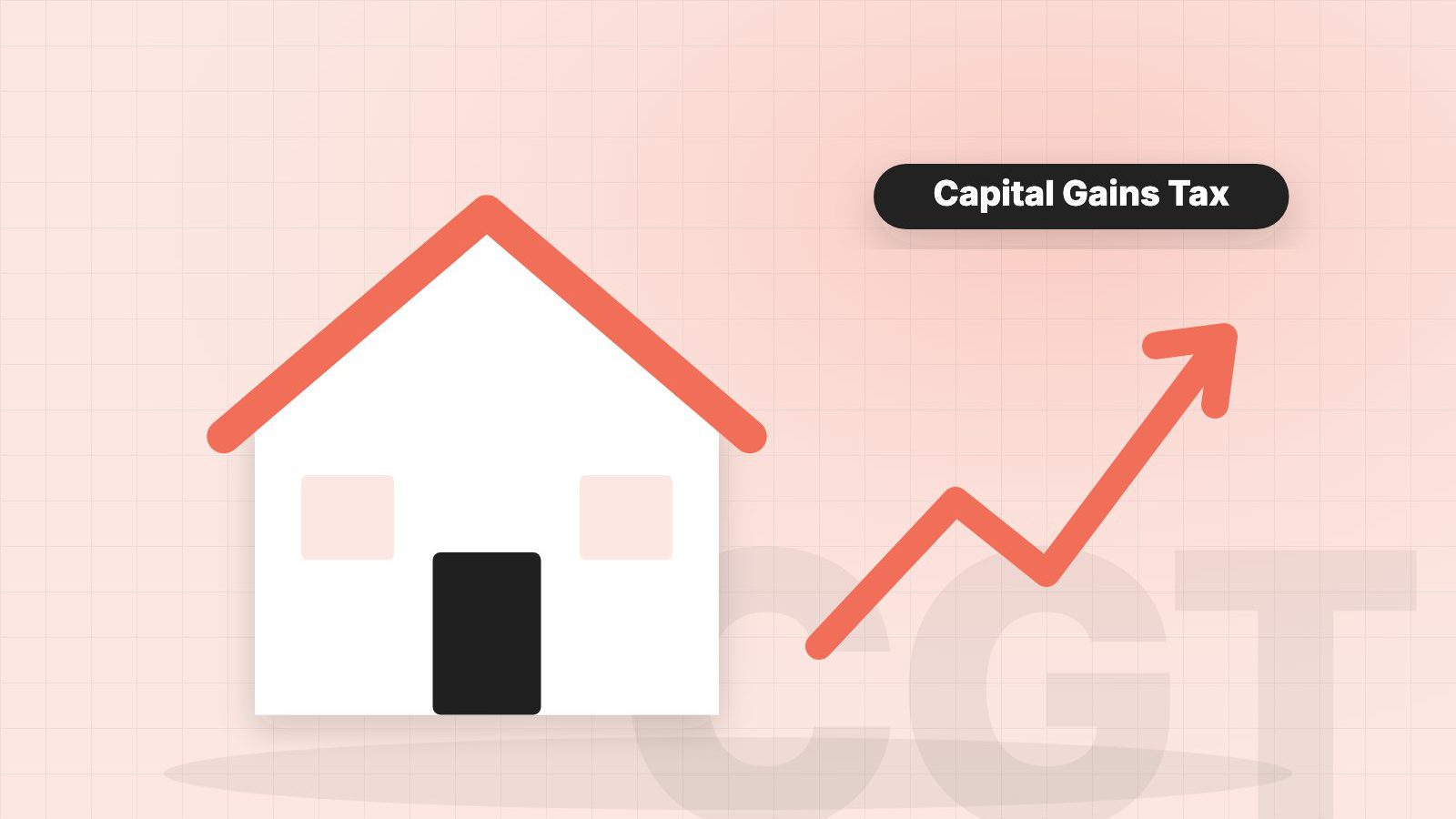
CGT (Capital Gains Tax) is paid on the profit made when you dispose of an asset. Importantly, it is not the full sale price that is taxed but the gain – the difference between what you received and what the asset cost you.
A disposal is not only a sale. A CGT question can also arise when you:
- give an asset away (it is then usually valued at market value);
- exchange it for another asset;
- dispose of part of it, for example selling part of a site or some of your shares.
Most people who have moved to Ireland come across CGT when selling a rented-out apartment, a second home or an inherited property.
Rate and annual exemption
As of 2026, the standard CGT rate in Ireland is 33%, and each person has an annual exemption of €1,270 of gains free of tax. The exemption is personal – spouses cannot transfer it to each other. Special rules and other rates apply in certain situations, so check the current information on revenue.ie before you calculate.
How the gain is calculated
The simplified logic is:
- Sale price.
- Minus selling costs (agent’s fee, solicitor’s fees).
- Minus the purchase price and purchase costs (solicitor, Stamp Duty).
- Minus enhancement expenditure – spending that increased the value of the asset and is still reflected in it, such as an extension or a new kitchen.
- Minus any capital losses from earlier years.
- Minus the personal annual exemption.
Ordinary repairs and maintenance are usually not treated as enhancements. If you rented the property out, costs you have already deducted from rental income cannot be deducted a second time for CGT. Additional rules may apply to assets bought a very long time ago.
If you made a capital loss on another disposal, it can usually be set against gains in the same year, and any unused part carried forward to later years. However, the loss must be properly declared, and transactions between connected persons (for example, family members) are assessed under separate rules.
Example: selling a rented-out apartment
Example (simplified, no other reliefs). A few years ago, someone bought an apartment for €200,000, with purchase costs (solicitor, Stamp Duty) of €10,000. They later built an extension for €20,000. The apartment was rented out and the owner never lived in it. It is now being sold for €300,000, with selling costs of €8,000.
- Net sale proceeds: €300,000 − €8,000 = €292,000.
- Total cost of the asset: €200,000 + €10,000 + €20,000 = €230,000.
- Gain: €292,000 − €230,000 = €62,000.
- After the annual exemption (€1,270): €60,730.
- CGT at 33%: about €20,041.
Without proof of the improvements, the €20,000 could not be deducted and the tax would rise by about €6,600. That shows better than anything why documents matter so much.
Reliefs and exemptions
The relief people mention most often is Principal Private Residence Relief: selling your main home is usually exempt from CGT. But it comes with conditions: if you did not live in the home for part of the time, rented it out, or sell part of the grounds separately, the relief may apply only partly. There are also reliefs for business assets and family farms, but their conditions are complex and assessed case by case.
If you own an asset jointly with a spouse or another person, the gain is usually calculated for each co-owner according to their share, and each can use their own annual exemption. That is why the transaction documents should show clearly who owns the asset and in what shares.
Deadlines and filing
CGT involves two separate obligations – paying and filing. As of 2026, the rule is:
- for disposals from 1 January to 30 November, the tax is paid by 15 December of the same year;
- for disposals in December, by 31 January of the following year;
- the disposal is declared in the annual tax return (for example, Form 11) or in a separate CGT return the following year.
This means the tax often has to be paid well before the return is filed. If you sell property in Ireland for a large sum, the buyer may ask for a CG50 clearance certificate – otherwise they must withhold part of the price. These questions are worth discussing with your solicitor and accountant in advance.
Common mistakes
- Waiting for the filing deadline and missing the payment deadline.
- Not keeping purchase and improvement documents.
- Assuming main home relief always applies, even if the home was rented out.
- Forgetting, when giving property to a family member, that a CGT question can arise for the person making the gift.
Quick answers
Do I need to declare a sale if there is no tax to pay?
Often, yes – you may need to declare a disposal even if a relief applies or you made a loss. A loss can be useful in the future.
Does CGT apply when you inherit an asset?
Inheriting is usually not a disposal by you, but when you later sell the inherited asset, the gain is calculated from its value at the time of the inheritance. A different tax, CAT, may be relevant to the inheritance itself.
Which documents should I keep?
The purchase contract, invoices for purchase costs, invoices and proof of payment for improvements, the sale contract and the selling costs. Keep them for the whole time you own the asset.
Capital Gains Tax in Ireland is best planned before the sale, not after it. If the property is rented out, our article on declaring rental income will also help.
If you need help with your own situation, see our property tax service in Ireland or get in touch.
This article provides general information, not individual tax advice. Rules change — talk to us about your situation or check the official Revenue information.