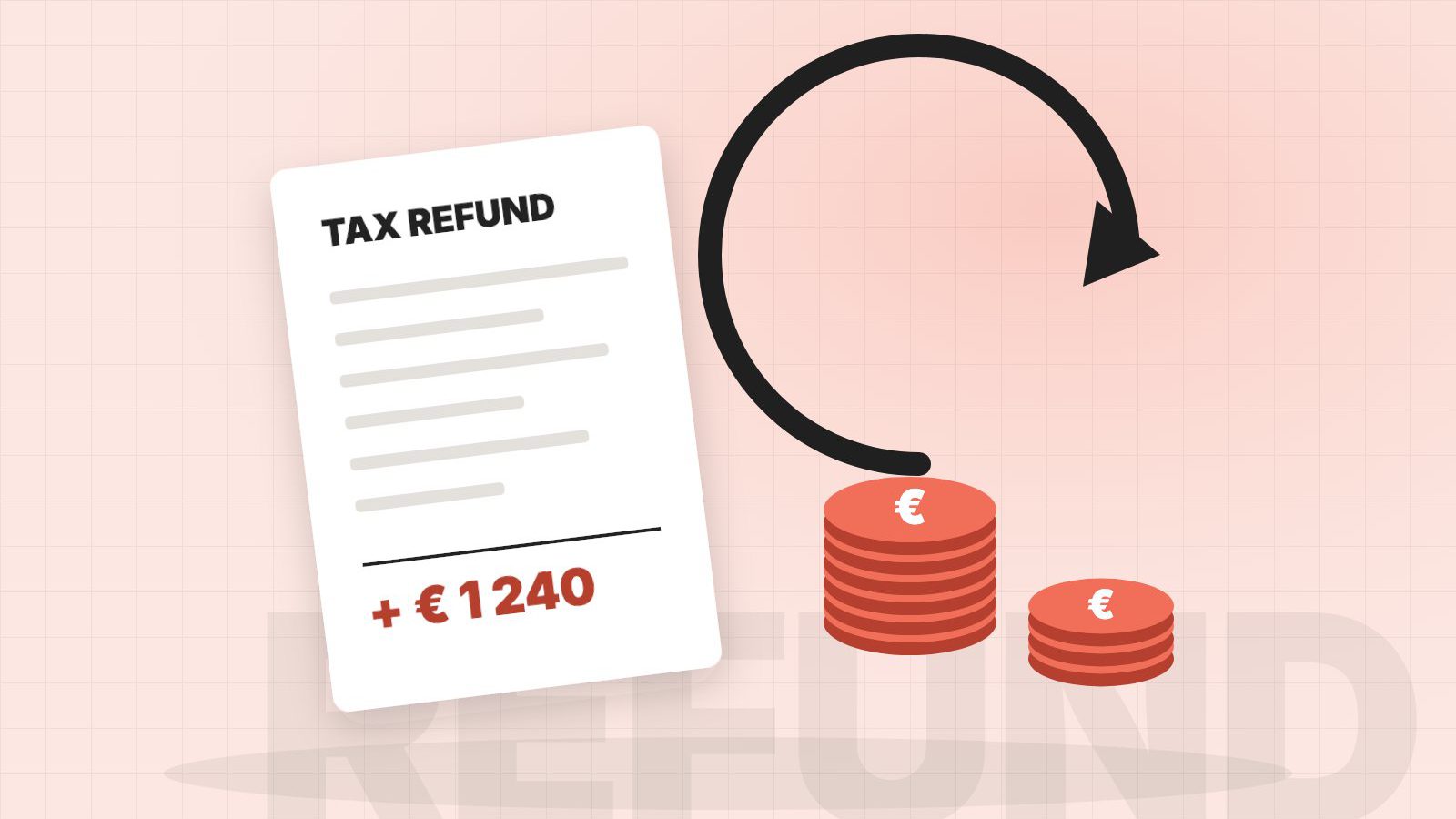
When you work in Ireland, tax is usually deducted automatically, but that does not mean you have always paid exactly the right amount. An overpayment can build up if you worked part of the year, changed jobs, missed tax credits or had RCT deducted.
This article gives the general process and what is worth checking. We cannot promise a result in advance: every case is assessed on its own, based on your documents and the current Revenue rules.
Why tax overpayments happen
The most common reasons: you did not work the full year, you changed employers, you were out of work for a while, you had expenses or credits the system did not apply, or RCT was deducted from your payments.
You may also be due a refund when you declare additional income or rental income, provided allowable expenses and credits are included correctly.
How to check your details with Revenue
Start with your Revenue myAccount: your Employment Detail Summary, tax credit information and previous years’ records show what Revenue already knows about you.
If documents are missing or the figures do not match your payslips or bank statements, gather them first. Without them it is hard to tell whether an overpayment is real.
Credits and situations people often miss
People often forget to check whether all the credits they are entitled to have been applied, whether other income is included correctly, and whether RCT deductions are reflected in the annual return.
The exact names and conditions of tax credits change, so check them against current Revenue information rather than an old list from memory.
How a claim is made
Where an overpayment is likely, the claim is made through Revenue’s online services or together with the relevant tax return. Deadlines and the form depend on your situation (PAYE, self-assessment, RCT and so on).
For deadlines and the list of documents, always rely on current Revenue guidance or ask an accountant. We deliberately do not give fixed dates here.
When it makes sense to talk to an accountant
If you have more than one job, RCT, rental income, Sole Trader income or unresolved questions from previous years, guessing your own refund is risky.
We review your situation and, if an overpayment is likely, help you prepare the claim. If there is no overpayment, we tell you that clearly too.
If you need help with your specific situation, see our Tax Refunds in Ireland service or get in touch.
This article provides general information, not individual tax advice. Rules change, so talk to us about your situation or check the official Revenue / CRO information.