When you are self-employed in Ireland, tax is not taken from your pay every week the way it is on a payslip. You need to plan your annual return and payments yourself, or with an accountant.
Income Tax, USC and PRSI
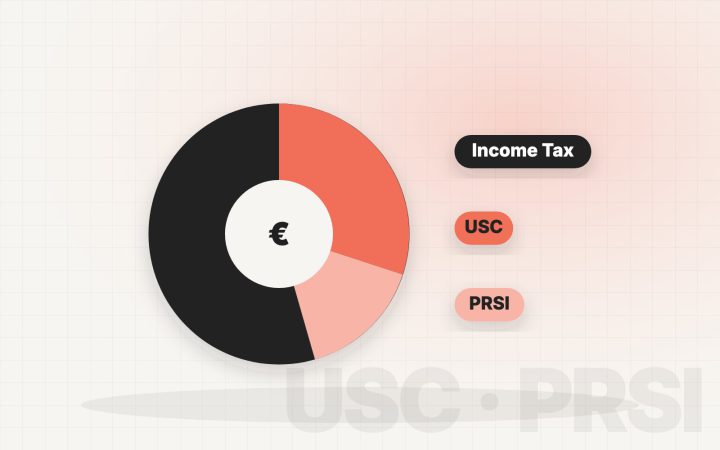
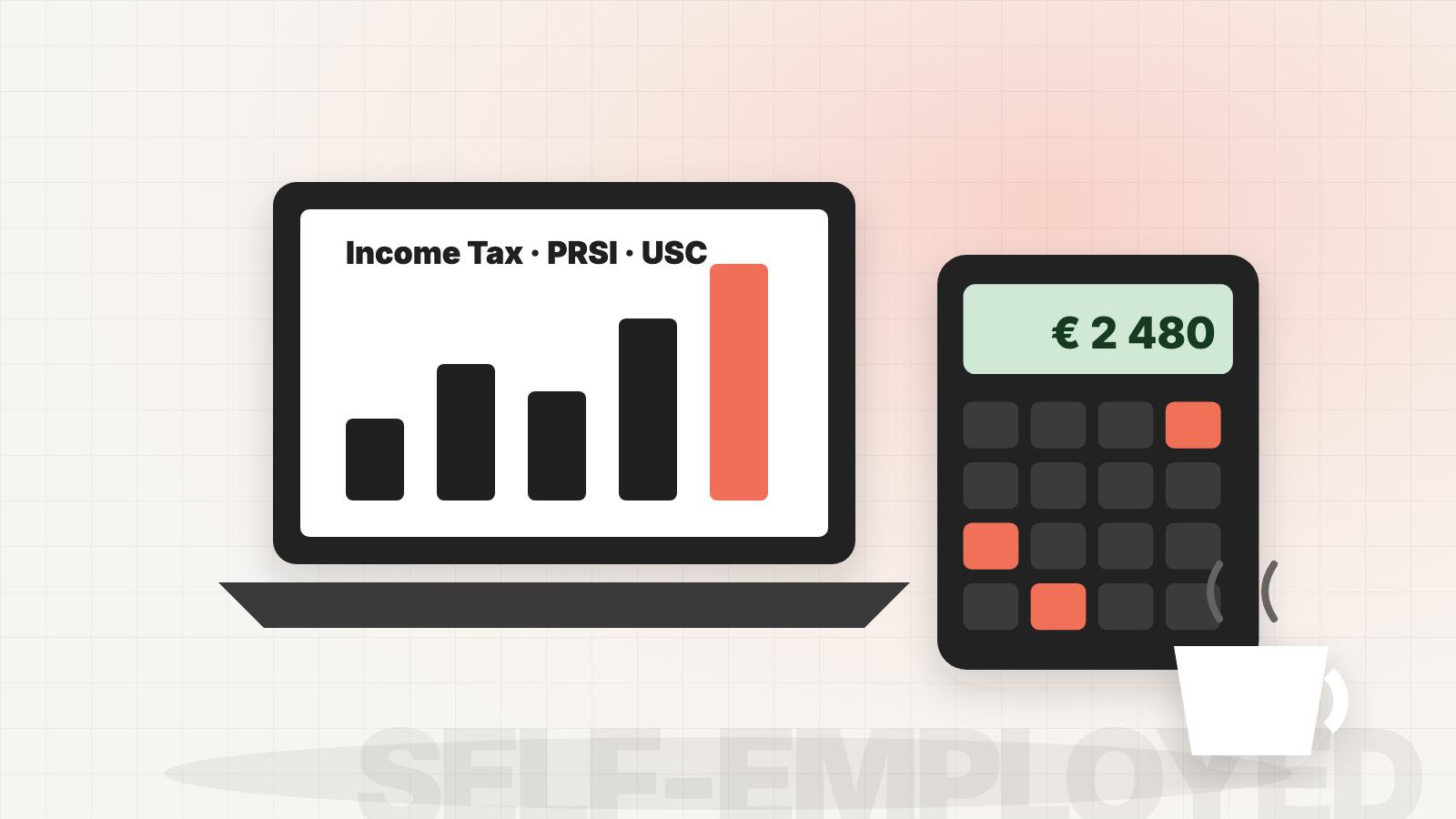
Self-employed income usually falls under Income Tax together with USC and PRSI rules, which differ from those for a PAYE employee.
Exact rates and bands change with each Budget, so use current Revenue figures for any calculation.
Preliminary Tax and Pay and File
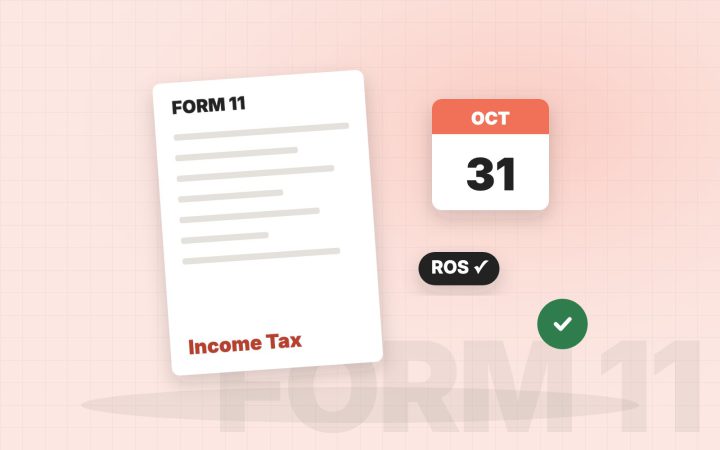
Self-assessment is not just about filing a form. It also means paying on time (Preliminary Tax and Pay and File). A missed deadline can mean interest or surcharges.
Always check the current year’s Revenue calendar for dates.
When VAT comes in
VAT is a separate obligation from Income Tax. It depends on your turnover and the type of transactions, not on whether you feel like a big business.
RCT and other sector rules
If you work as a subcontractor in construction, RCT deductions will be part of your everyday work. RCT does not replace Income Tax; it runs alongside it.
If you need help with your specific situation, see our Sole Trader Registration in Ireland service or get in touch.
This article provides general information, not individual tax advice. Rules change, so talk to us about your situation or check the official Revenue / CRO information.