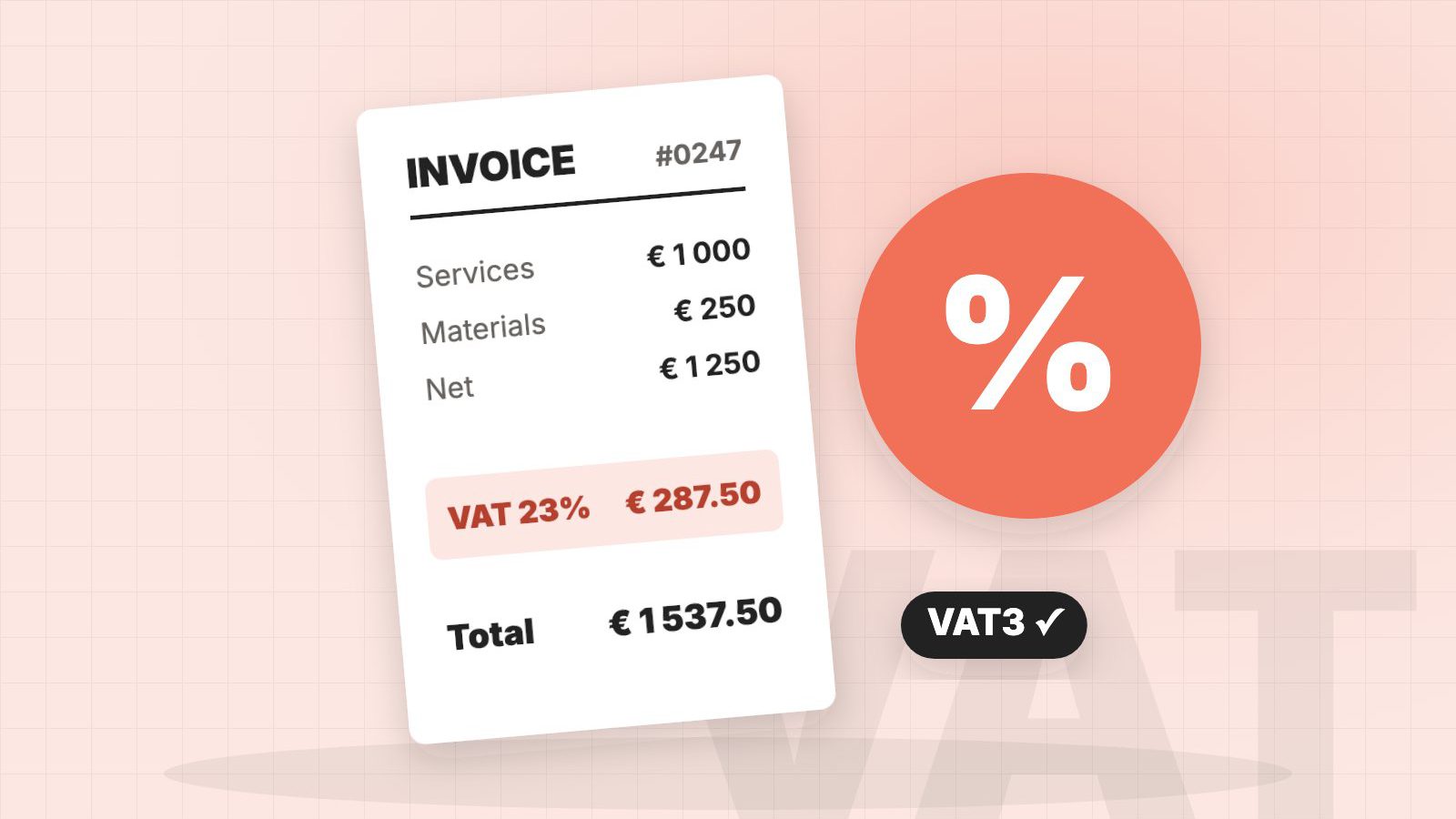
VAT (value-added tax) in Ireland has clear registration rules, but they differ depending on whether you sell goods or services and on the type of transactions. Revenue publishes the thresholds and they change, so we do not quote them here as if they were permanent.
When registration is mandatory
You must register when your turnover exceeds the thresholds set by Revenue, or when certain transactions bring you into VAT even without reaching the usual threshold.
If you are close to the threshold or have already passed it, do not wait. It is better to assess your position early.
Voluntary registration
Sometimes it pays to register earlier (for example, to reclaim VAT on purchases when you work business to business). It is not always worth it, especially if your customers are private individuals who are sensitive to the final price.
VAT3 and related returns
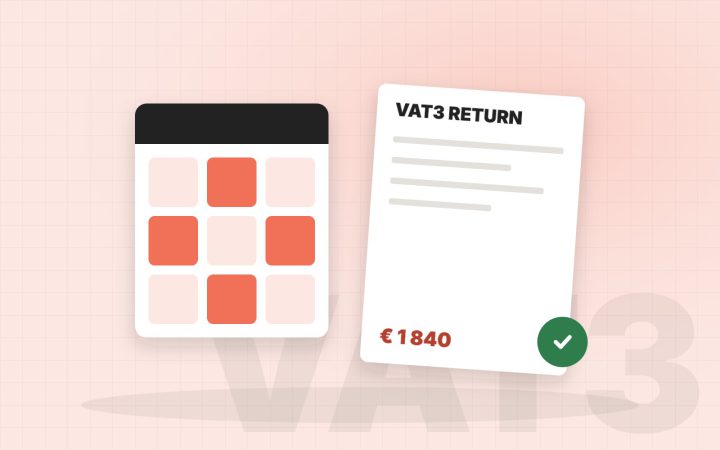
Once registered, you file periodic VAT returns (usually the VAT3) and, depending on your transactions, other related forms. Deadlines and frequency follow what Revenue has set for you.
Reverse charge and international transactions
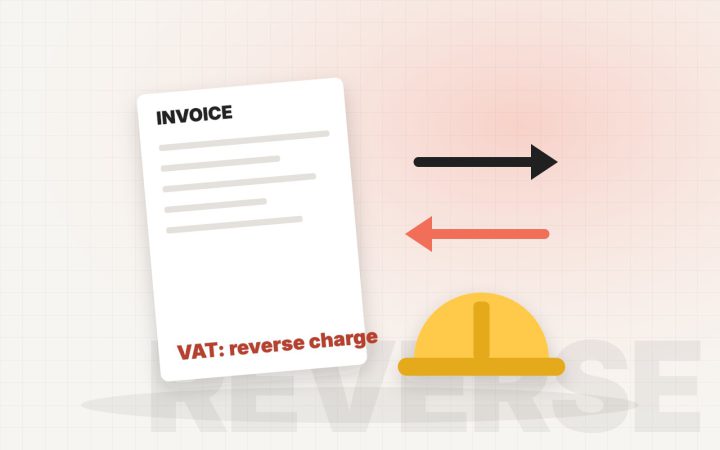
In construction and in EU or international transactions, reverse charge or other special rules may apply. This is one of the most common areas for mistakes in small businesses.
Before you issue an invoice the way you would in your home country, check how Irish VAT applies to that specific transaction.
If you need help with your specific situation, see our VAT Accounting in Ireland service or get in touch.
This article provides general information, not individual tax advice. Rules change, so talk to us about your situation or check the official Revenue / CRO information.