Many self-employed people first hear about Preliminary Tax when, in October, they have to pay far more than they expected. It is an advance payment of tax for the current year, before that year has even ended. Here we explain how the system works in practice and how to plan for it without stress.
What Preliminary Tax is
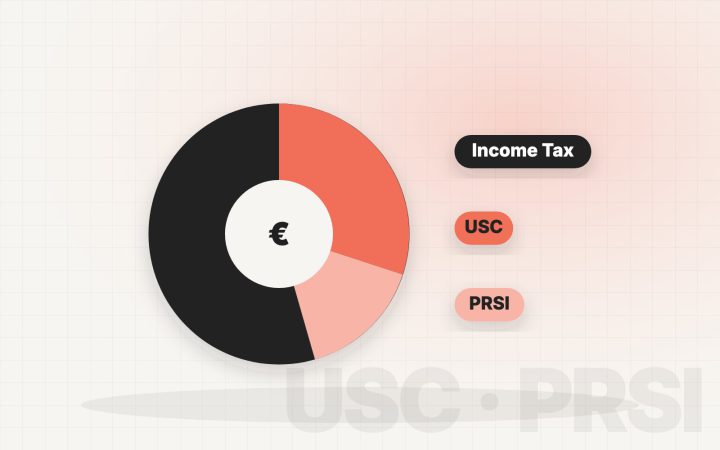
Under self-assessment, Revenue does not wait for you to file the year’s return. You must pay the tax you expect to owe for the current year in advance – this is Preliminary Tax. It covers the Income Tax, USC and PRSI you will have to pay for that year.
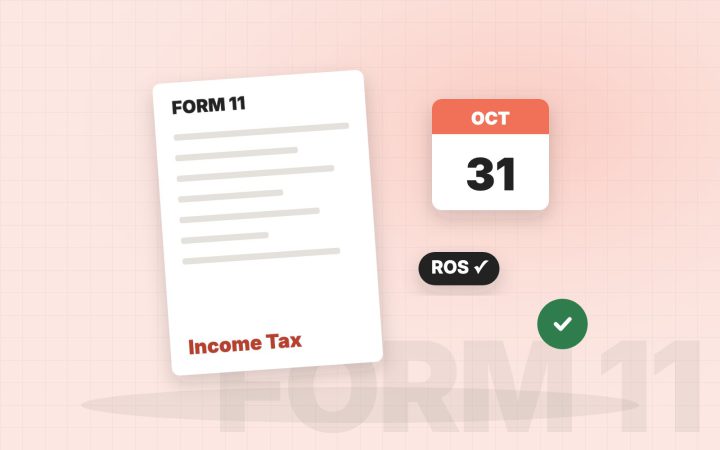
At present, Preliminary Tax for individuals is due by 31 October of the current year – the same day you file the previous year’s Form 11 and pay any balance on it. For example, by 31 October 2026 you file your 2025 return and pay your 2026 Preliminary Tax. The deadline is usually extended for people who file and pay through ROS (Revenue Online Service) – check the exact date on revenue.ie each year.
Different Preliminary Tax rules and deadlines apply to companies (Corporation Tax) – this article covers individuals only.
Why it works this way
For employees, tax is deducted every month through PAYE, so the State receives it continuously. There is no such mechanism for the self-employed, so Preliminary Tax levels the playing field: the tax for a year is paid within that same year, not almost two years later. For you, this means planning the October payment as two parts – last year’s balance and the advance amount for the current year.
Who it applies to
- Sole Traders and other self-employed people.
- Proprietary directors – Limited Company directors who own more than 15% of the shares.
- People with rental or other income that must be declared on Form 11.
- Other chargeable persons, that is, people who fall under the self-assessment system.
How much you need to pay
In October it is impossible to know the current year’s tax exactly, so Revenue sets “safe harbour” amounts. At present you avoid interest if you pay at least one of the following on time:
- 90% of the final tax for the current year;
- 100% of the final tax for the previous year;
- 105% of the final tax for the year before last – only if you pay by direct debit and that year’s tax was not nil.
Which option to choose depends on how your income is changing. When income is rising, it is often easiest to base the payment on last year’s figure. When it is clearly falling, you can base it on 90% of the current year’s tax, but then the estimate has to be realistic. Check the rules on revenue.ie before you pay.
Paying in instalments
Through ROS you can set up a direct debit and pay Preliminary Tax monthly. This spreads the tax over the year instead of paying it in one large amount in October.
A practical example
Example (illustrative figures): Andrew, a Sole Trader, had final tax (Income Tax, USC and PRSI combined) of €6,000 for 2025. In 2026 he is getting more work and expects his tax for the year to be around €8,000.
- Option A: based on 100% of last year’s tax, he pays €6,000 by 31 October 2026. The remaining €2,000 or so will be paid with his 2026 return in October 2027.
- Option B: based on 90% of the current year’s tax, he would need to pay about €7,200. In this case that is more than Option A.
Andrew chooses Option A, but sets aside the remaining €2,000 now, because in October 2027 he will have to pay both the 2026 balance and his 2027 Preliminary Tax. If his income had been falling, Option B could have meant a smaller payment – but only if the estimate turned out to be right.
What happens if you pay too little or too late
If Preliminary Tax is paid late or is below the safe harbour amounts, Revenue charges interest on the late payment. At present this is 0.0219% per day. A separate surcharge applies to a return filed late. Both increase the amount you pay, and both could have been avoided.
Your first years in business
If you are just starting out, the most important thing is to understand the cycle. Your tax for the first year only becomes clear when you file that year’s return the following October – and on the same day you already pay Preliminary Tax for your second year. That is why two payments often fall due at once in October of your second year. It is worth discussing with your accountant during your first year how the safe harbour rules apply to your situation. Read more about getting started in our article tax for the self-employed.
What to do in practice
- Keep your books up to date during the year, so that by September you can see a realistic picture of the year.
- Know your final tax for last year – it is the most common reference point.
- Set money aside for tax every month or pay by direct debit.
- If your income has changed significantly, review the calculation before the October deadline.
Common mistakes
- Thinking “if nobody sent me a bill, I don’t need to pay”. When you are self-employed, the responsibility is yours.
- Planning only for last year’s balance in October and forgetting the current year’s Preliminary Tax.
- Choosing the 90% current-year option without a realistic estimate, and later finding out too little was paid.
- Making the payment but entering the wrong tax type or period.
Quick answers
Is Preliminary Tax an extra tax?
No. It is the same tax for the year, just paid in advance. When you file that year’s return, the amount paid is credited, and any difference is either paid or refunded.
What if I paid too much?
An overpayment shows up when you file that year’s Form 11. It can be refunded or offset against other payments, in line with Revenue’s procedures.
Can I pay in instalments?
Yes, by direct debit through ROS. This also lets you use the 105% rule based on the year before last.
Well-planned Preliminary Tax means your October payment is expected, not a surprise.
If you need help with your own situation, see our tax returns in Ireland service or get in touch.
This article provides general information, not individual tax advice. Rules change — talk to us about your own situation or check the official Revenue information.